
Repeat the exercise described in Unit 9 Lesson 3 Study Question
2 for a third replication (do not submit this drawing). How many
double helices will contain only higher-density nitrogen? How many
double helices will have intermediate density? How many double
helices will contain only lighter-density nitrogen?
EXERCISE FROM UNIT 9 (REFERRING TO QUESTION)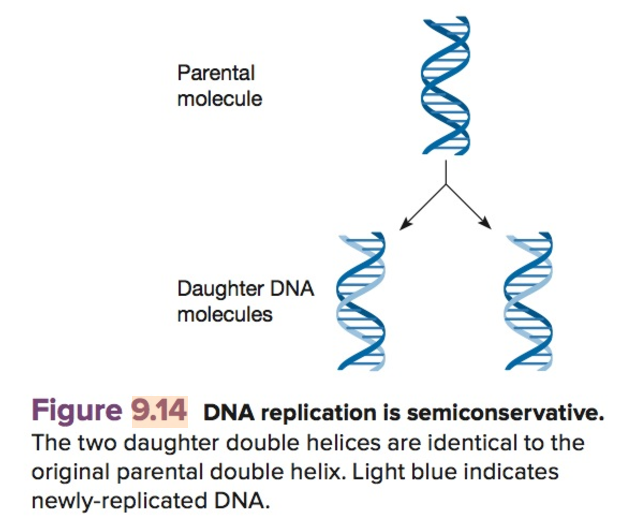
Figure 9.14 shows the resulting intermediate density DNA double
helices from one round of replication in S phase. On page 172,
Lewis incorrectly describes the incorporation of higher-density
nitrogen as replication in the cell cycle proceeds. In reality, the
Meselson-Stahl experiment started with DNA that had only
higher-density nitrogen (dark blue in the figure, ‘heavy’), then
cells were provided with normal lighter-density nitrogen (light
blue in the figure, ‘light’) as they proceeded through the cell
cycle(s). The parental double helix has only higher-density
nitrogen, thus it has a heavy density weight. The newly synthesized
strands contain normal (lighter-density) nitrogen, causing the
double helix to have an intermediate density. Meselson and Stahl
allowed other cells to continue growth and replication in the
lighter-density nitrogen media for another (second) cell cycle.
Draw this next generation of daughter DNA molecules using one
colour to indicate the parental strands of DNA and another colour
to indicate newly synthesized strands with lighter-weight nitrogen.
Your drawing should consist of four double helices. How many
parental strands are present in total? How many strands contain
lighter-weight nitrogen? How many double helices will have a light
density weight?
IMAGE ATTACHED
Parental molecule Daughter DNA molecules Figure 9.14 DNA replication is semiconservative. The two daughter double helices are identical to the original parental double helix. Light blue indicates newly replicated DNA.
ScholarMatic: Explanation & Answer
Your ready answer from a verified tutor is just a click away for as little as $14.99


Click Order Now to get 100% Original Answer Customized to your instructions!



